How to Choose a Commercial Warehouse Cleaning Service in Melbourne: 7 Key Questions to Ask
Selecting the right cleaning partner for a warehouse is more than choosing a contractor who brings mops and a van. Warehouses have unique risks, regulatory obligations and operational needs. This guide explains the most important factors to evaluate and provides the seven key questions you should ask prospective providers before you sign a contract in Melbourne.
Why choosing the right warehouse cleaner matters
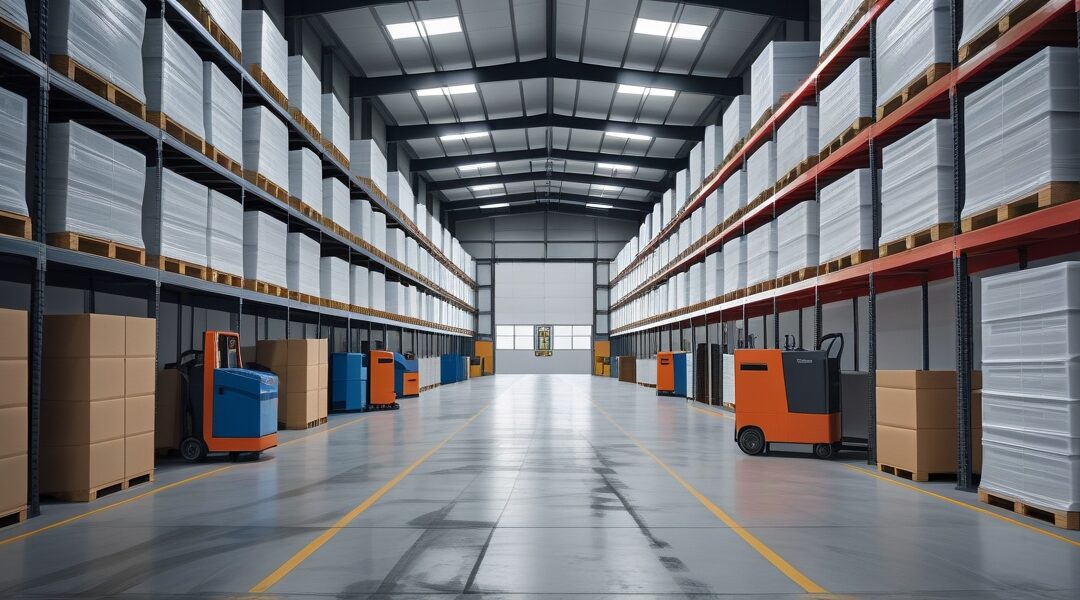
Warehouses are high-traffic, heavy-equipment environments where dust, debris, chemical residues and waste can affect product quality, worker safety and operational uptime. The wrong cleaning approach can create hazards, attract regulatory scrutiny or increase long-term costs. Choosing a professional provider who understands industrial hygiene, safe methods and compliance is essential to protect staff, inventory and your business reputation.
What makes warehouse cleaning different from regular commercial cleaning?
Warehouse cleaning demands specialised methods, equipment and awareness of occupational hazards. Key differences include:
- Use of industrial sweepers, high-reach cleaning platforms, HEPA filtration vacuums and pressure washers.
- Handling of hazardous residues, oils and chemical spills following OH&S and environmental rules.
- Coordination with warehouse operations to avoid disrupting picking, packing and loading.
- Focused attention on dust control, racking, mezzanines, loading docks and yard areas.
- Waste segregation and recycling of bulk packaging materials.
Key regulations and standards to keep in mind (Melbourne / Victoria)
When assessing providers, ensure they are familiar with and operate to relevant local and national requirements:
- WorkSafe Victoria guidance on cleaning and manual tasks — injury prevention, hazardous manual handling and chemical safety.
- Victorian Labour Hire Authority requirements if labour hire arrangements are used.
- Safe work procedures for hazardous substances (SDS compliance) and spill response.
- Environmental regulation for waste handling, recycling and trade waste disposal under EPA Victoria rules.
- Industry best-practice standards such as ISO 45001 for OH&S or ISO 14001 for environmental management (where applicable).
Who should be involved in vendor selection?
Make vendor selection a cross-functional activity. Include representatives from:
- Operations / Warehouse managers
- Health & Safety / WHS officers
- Procurement or Facilities management
- Quality control (if warehousing food, medical or regulated goods)
The 7 Key Questions to Ask Prospective Warehouse Cleaners
Use the checklist below during interviews or tender evaluations. These questions will reveal whether a supplier is competent, compliant and a good cultural fit for your site.
-
Do you have experience with warehouse cleaning in Melbourne and can you provide local references?
Ask for examples of similar facilities they currently service — warehouses of comparable size, product types (e.g., FMCG, pharmaceuticals, chemicals) and activity levels. Contact referees to confirm punctuality, reliability and how issues were handled. Local experience ensures familiarity with Melbourne-specific regulations and seasonal challenges (e.g., dust and pollen in spring, wet conditions in winter).
-
What is your approach to safety, OH&S and staff training?
Warehouse cleaning is high risk. Verify the provider’s:
- Formal OH&S policies and whether they align with WorkSafe Victoria guidance.
- Evidence of staff training: manual handling, working at heights, confined spaces, chemical handling and equipment operation.
- Use of Safe Work Method Statements (SWMS) and site-specific risk assessments.
- Incident reporting process and insurance coverage (public liability, workers’ compensation).
-
Which cleaning methods and equipment will you use?
Ensure their methods match your needs:
- Industrial sweepers and ride-on vacuums with appropriate filtration for dust control.
- High-reach equipment for racking and mezzanine cleaning — confirm operator certification for elevated platforms.
- Pressure washers and degreasers for heavy soils; confirm wastewater containment and disposal practices.
- HEPA-filtered extractors where required for fine particulates.
-
How do you manage hazardous substances, spills and waste?
Ask about:
- Spill response plans and availability of spill kits and trained responders.
- Waste segregation procedures (general waste, recycling, hazardous waste) and evidence of lawful disposal contracts.
- Handling of product-specific residues (e.g., oils, adhesives, chemical residues) and compliance with EPA Victoria disposal rules.
-
What quality assurance, audits and reporting do you provide?
Service consistency is vital. Good providers offer:
- Regular site audits and checklists tailored to warehouse zones (racking, dock, yard, break areas).
- Digital reporting with photos, time-stamped checks and corrective action tracking.
- Key Performance Indicators (KPIs) and service review meetings.
-
Are you able to provide green cleaning or sustainability options?
Sustainability is increasingly important. Inquire about:
- Use of certified eco-friendly cleaning agents and low-VOC products.
- Water-saving methods, efficient equipment and concentrated dosing systems to reduce plastic waste.
- Recycling initiatives and opportunities to reduce landfill (cardboard, pallets, plastic film).
- Any environmental management certifications (e.g., ISO 14001) or documented sustainability policies.
-
How is pricing structured and what factors might change the quote?
Understand the pricing drivers:
- Frequency and timing of cleans (daytime vs. after-hours to avoid disrupting operations).
- Size of the warehouse, number of mezzanines, amount of racking and height requiring specialist equipment.
- Level of soil, presence of hazardous residues and need for specialised decontamination.
- Removal and disposal of bulky waste or hazardous materials.
- Labour costs, equipment hire and consumables.
Ask for clear inclusions/exclusions, notice periods for additional cleans and penalties for missed services.
Operational considerations and scheduling
Discuss how cleaning will be scheduled to avoid production disruptions. Many warehouses prefer weekend or night clean windows, but an effective provider will also offer flexible slotting during low-activity periods, rapid response for spill events and coordination with forklifts and loading activities. Confirm whether cleaners will wear high-visibility clothing and follow your site induction process.
Certifications and documentation to request
Before contracting, obtain:
- Certificate of currency for public liability insurance and evidence of workers’ compensation.
- Copies of relevant policies: OH&S, environmental, training and drug & alcohol if needed.
- Records of staff training and equipment competency (e.g., elevated work platforms).
- Waste disposal contracts and manifests for hazardous waste where applicable.
- ISO certifications if the provider claims them (verify with issuing body).
Green cleaning trends and practical sustainability measures (2026)
Sustainable cleaning is no longer optional for many businesses. Trends to consider:
- Green-certified cleaning products that meet Australian standards and avoid microplastics.
- Reduction of single-use plastics by using bulk refill systems for chemicals and dispensers for hand hygiene.
- Water-efficient pressure washing and wastewater capture for safe disposal.
- Data-driven cleaning: sensors and usage data to target high-touch zones rather than blanket schedules, reducing chemical use and labour.
Common client concerns and how reputable providers address them
Many warehouse operators worry about downtime, cleanliness standards, and hidden costs. Reputable providers mitigate these by:
- Offering trial periods or pilot cleans to demonstrate capability.
- Providing transparent, itemised quotes and a single point of contact for issues.
- Using digital checklists and photos to verify tasks completed.
- Maintaining backup staff and equipment to avoid missed cleans.
How to evaluate proposals and run a tender
When issuing an RFP or tender:
- Define scope explicitly: zone-by-zone tasks, frequency, equipment required and performance standards.
- Ask for standard operating procedures and method statements for specific tasks (e.g., high-reach racking cleaning, chemical spill response).
- Request an on-site demonstration or pilot clean before awarding long-term contracts.
- Score proposals against objective criteria: safety, experience, quality assurance, environmental credentials and price.
Example service inclusions for a warehouse cleaning contract
A robust contract will typically include:
- Daily sweeping and aisle cleaning, bin emptying and washroom servicing.
- Weekly or monthly high-reach cleaning of racking and mezzanines.
- Periodic deep cleans of loading docks, yard areas and spill-prone zones.
- Emergency spill response and on-call support.
- Waste segregation, recycling and disposal management.
- Regular audits, KPI reporting and service reviews.
Where to find reliable suppliers in Melbourne
Look for suppliers with clear local experience, good client reviews, and transparent documentation. A qualified supplier will provide detailed method statements and be willing to demonstrate past work. Many clients also rely on referrals from industry peers or property managers who manage multiple industrial sites.
For a practical example of a commercial provider’s service offering, you can review a local company’s commercial cleaning capabilities — commercial cleaning Melbourne.
For further reading on building maintenance and industry insights, see this resource: Bonus Building Care blog.
Checklist: Quick procurement steps
- Define scope and risks with operations and safety teams.
- Prepare an RFP with specific cleaning zones, frequencies and KPIs.
- Request evidence of insurance, licences and staff training records.
- Shortlist by experience, safety record and sustainability credentials.
- Conduct site visits and reference checks.
- Run a pilot clean and review audit reporting.
- Sign a contract with clear SLAs, KPIs and review cadences.
Final tips
When choosing a partner for warehouse cleaning in Melbourne, prioritise safety, local experience and documented quality systems over the cheapest quote. A good supplier becomes an extension of your operations team — responsive, compliant and focused on continuous improvement. Ask for trial periods, insist on clear reporting and keep a close relationship with your provider to ensure standards remain high and aligned with changing operational needs.
If you need a one-page checklist you can use during supplier interviews, let me know and I’ll draft a printable PDF-style checklist tailored to Melbourne warehouses.
https://shorturl.fm/uiBdn
nice, very nice!
https://shorturl.fm/zRqfa
https://shorturl.fm/RQiX2
https://shorturl.fm/PQBKL
https://shorturl.fm/tZaOu
https://shorturl.fm/RFGf8
https://shorturl.fm/YbkJM
https://shorturl.fm/Fi5zr
https://shorturl.fm/7OwLB
https://shorturl.fm/5AZQl
https://shorturl.fm/Yu9a0
https://shorturl.fm/2zd7v
QQ88OKVIP sounds like a VIP experience and I need that. Going to test out their support, and then deposit. Check it out for yourself: qq88okvip
ZH888game got me like woah! So many ways to chill and have fun. If youre bored, go check zh888game out!
https://shorturl.fm/Qo4zh
https://shorturl.fm/Fm81l
https://shorturl.fm/zbAdV
https://shorturl.fm/Z4vmg
https://shorturl.fm/3Mfga
https://shorturl.fm/rUa9Z
https://shorturl.fm/Nkm4s
Enter your invite code to earn your airdrop on Aster https://is.gd/ZceEI6
Fast indexing of website pages and backlinks on Google https://is.gd/r7kPlC
Fast indexing of website pages and backlinks on Google https://is.gd/r7kPlC